
Optimal Timing for Tree Removal
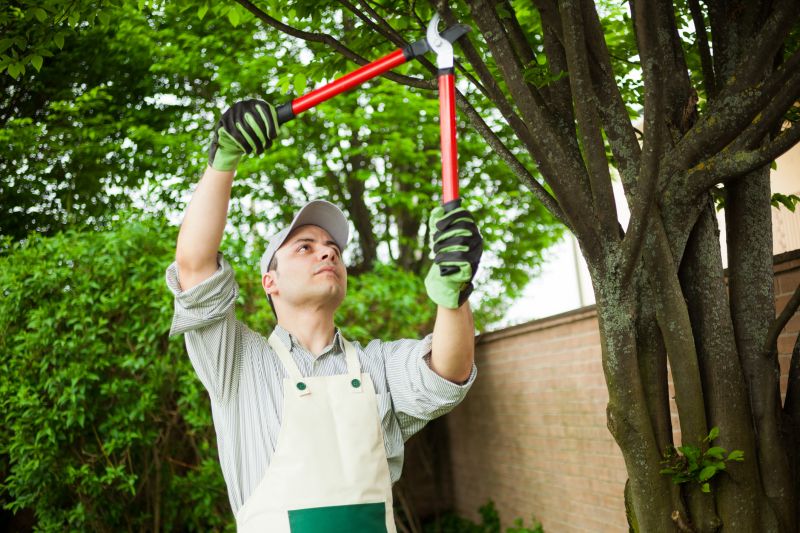
Spring is suitable for tree removal when trees are dormant or just beginning to bud, reducing stress on the tree and surrounding landscape.
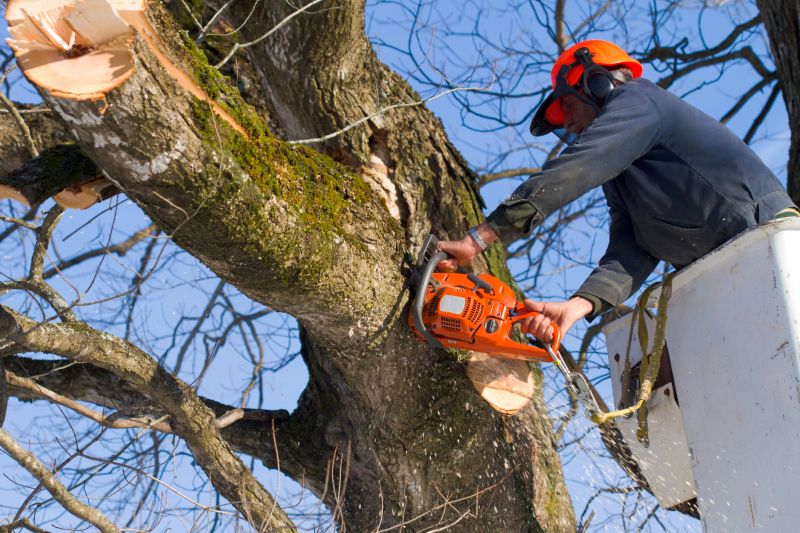
Summer removals are often avoided due to active growth, but in certain cases, they can be performed with proper planning and care.
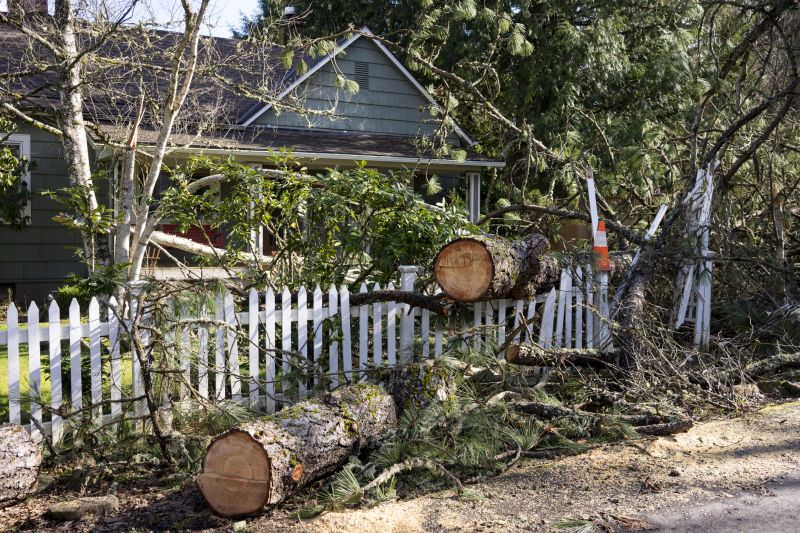
Fall is an optimal time for tree removal as trees enter dormancy, minimizing damage and promoting healthy regrowth if needed.
Ways to make Tree Removals work in tight or awkward layouts.
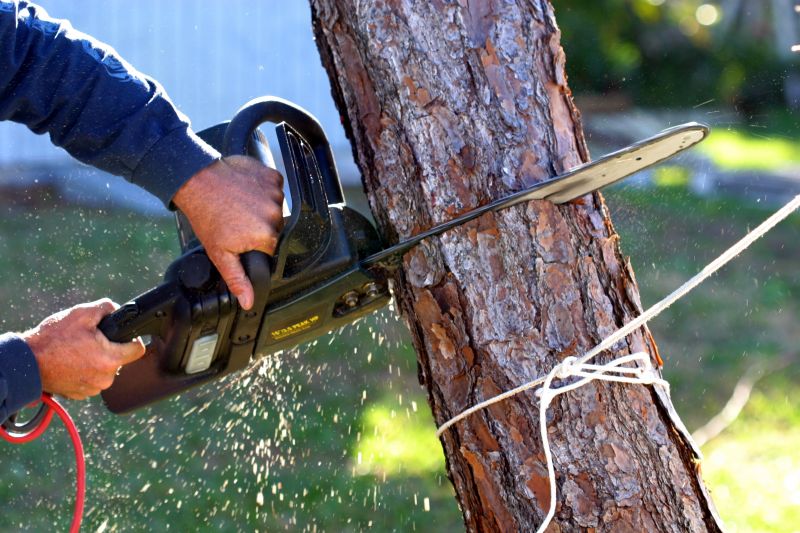
Popular materials for Tree Removals and why they hold up over time.
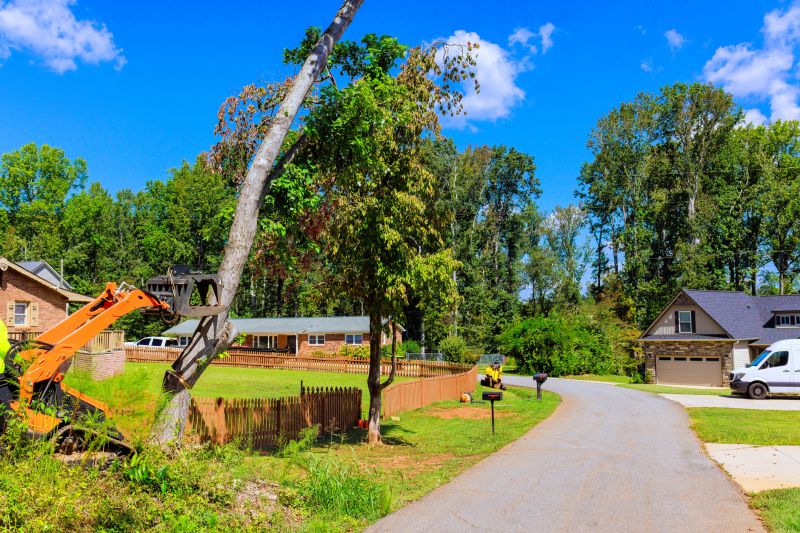
Simple add-ons that improve Tree Removals without blowing the budget.
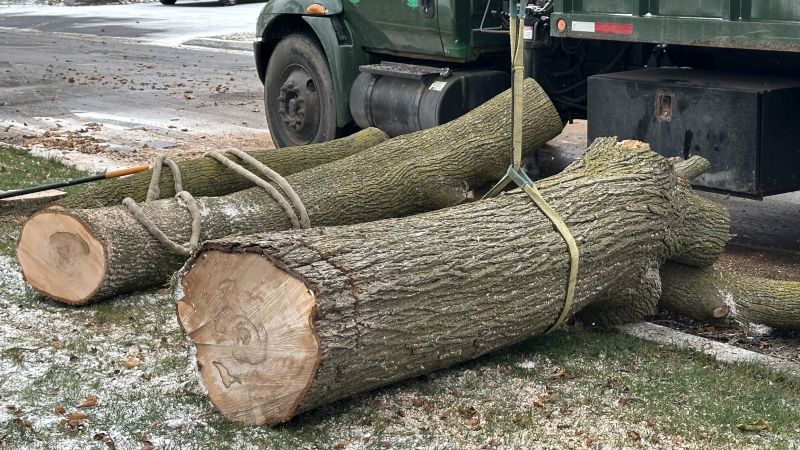
High-end options that actually feel worth it for Tree Removals.
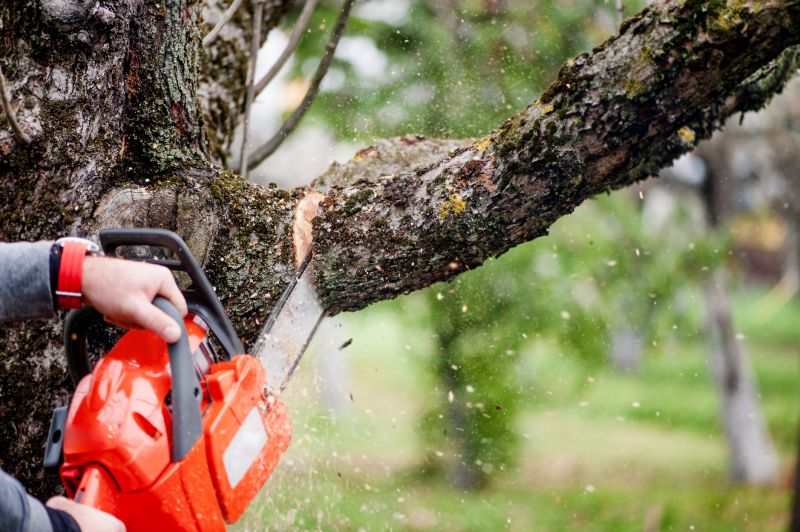
Finishes and colors that play nicely with Tree Removals.
Tree removal is a critical process for maintaining landscape health, safety, and aesthetics. Timing plays a vital role in minimizing stress on the tree and ensuring safety during the removal process. Proper timing can also reduce the risk of pest infestation and disease spread. Statistically, most tree removals are performed during late fall and winter when trees are dormant, which helps prevent unnecessary stress and damage.
Removes trees before active growth begins, reducing stress and promoting healthy landscape recovery.
Minimizes disruption during the dormant season, allowing for effective cleanup and preparation for the next growth cycle.
Ideal for safety measures and storm prevention, especially when trees pose hazards during high winds.
Active growth periods can increase risks and complications, making summer less suitable for tree removal.
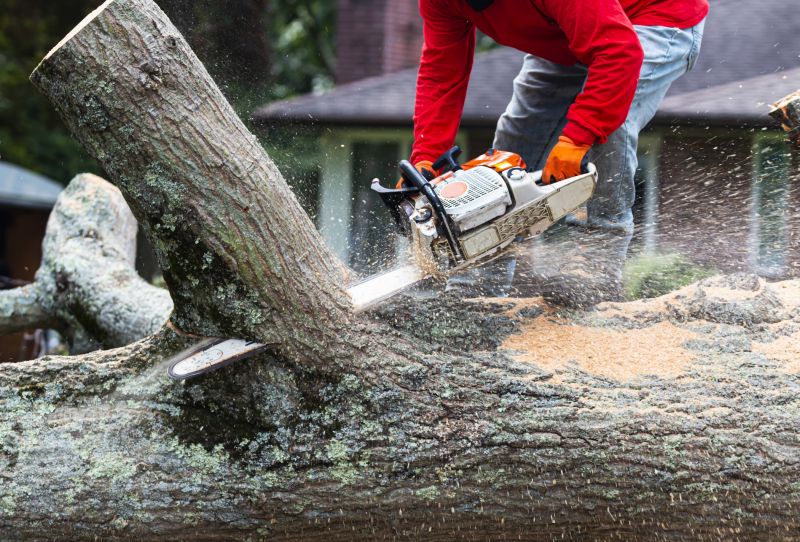
Specialized tools used during the removal process ensure safety and efficiency.
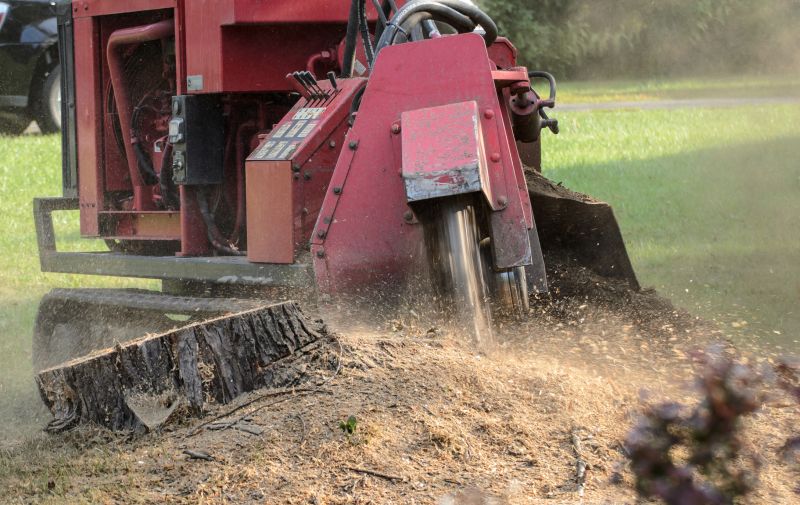
Post-removal process to eliminate remaining stumps and roots.
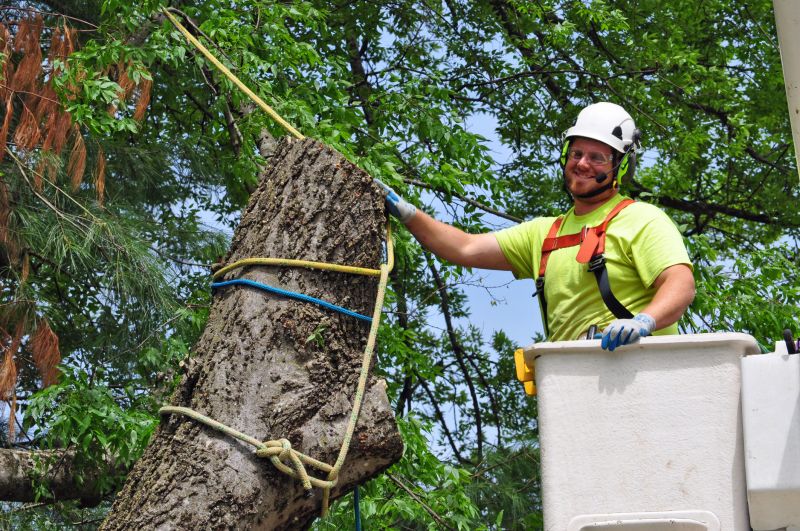
Protective equipment worn by workers to prevent injury during removal.
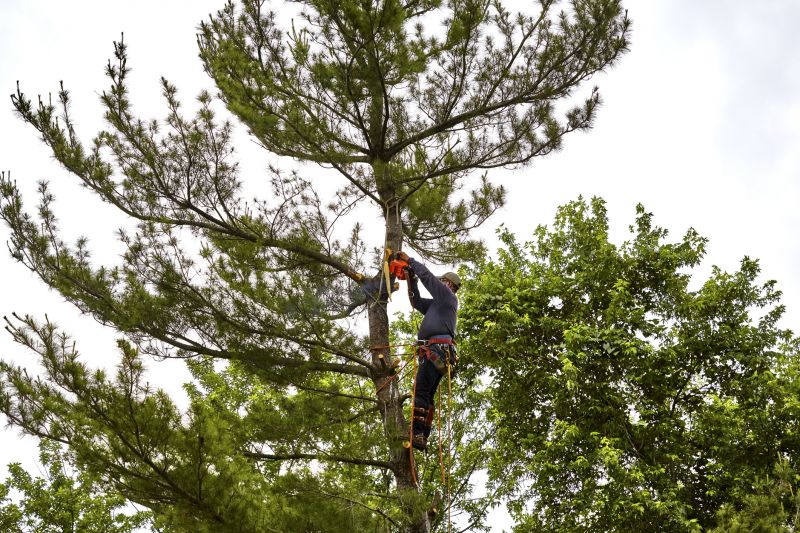
Example of a tree safely removed from a hazardous location.
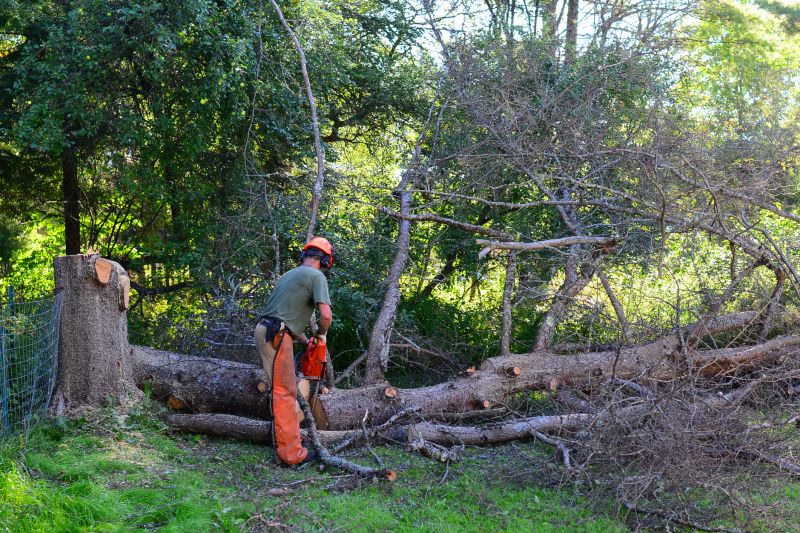
Professional removal in action, demonstrating proper technique.
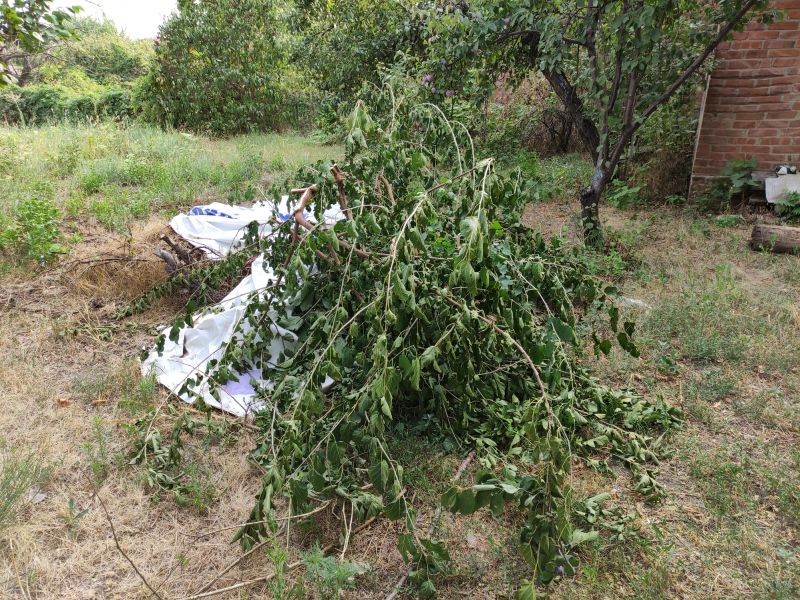
Efficient removal and recycling of tree materials.
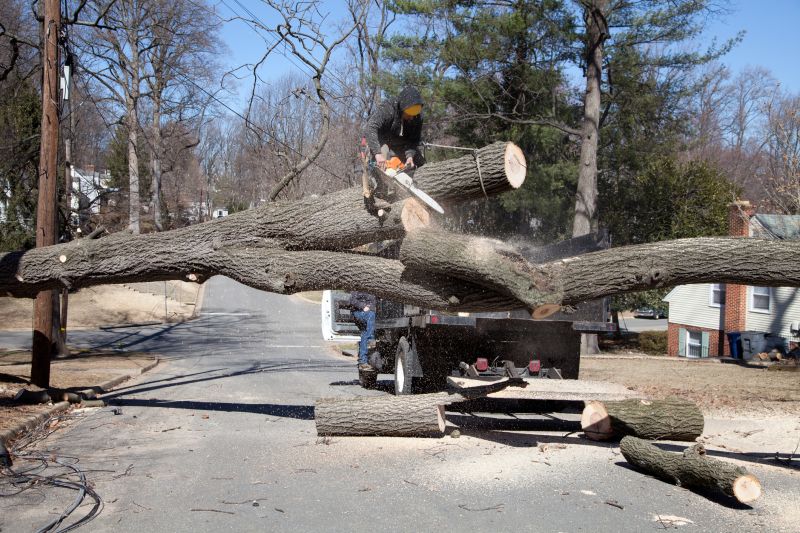
Assessment and preparation before beginning the removal process.
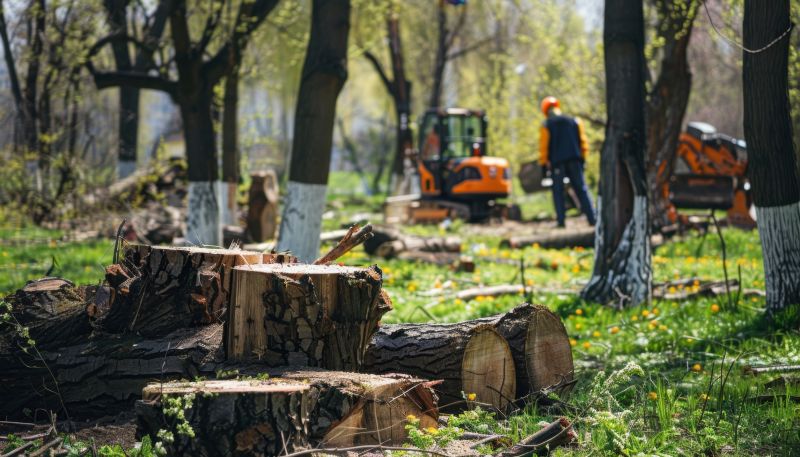
Post-removal landscaping to restore the area.
| Season | Best for Tree Removal |
|---|---|
| Spring | Ideal for reducing stress and promoting healthy regrowth. |
| Summer | Less suitable due to active growth; only for emergency or hazard removal. |
| Fall | Optimal for safety and minimal disturbance during dormancy. |
| Winter | Best for storm prevention and safety, especially when trees are dormant. |
| Post-Storm | Necessary for hazard mitigation after storms. |
| Pre-Storm | Preventative removal before storm season. |
Choosing the right time for tree removal depends on multiple factors including the tree species, local climate, and specific safety concerns. Proper timing can lead to healthier landscapes and reduce the likelihood of complications during the removal process. Consulting with a professional arborist can help determine the most suitable season for each individual case.
Interested in scheduling a tree removal? Filling out the contact form can provide more information and assist in planning the best timing for specific needs in Navarre, FL.